
Identifying Window Seal Failure: Causes of Condensation
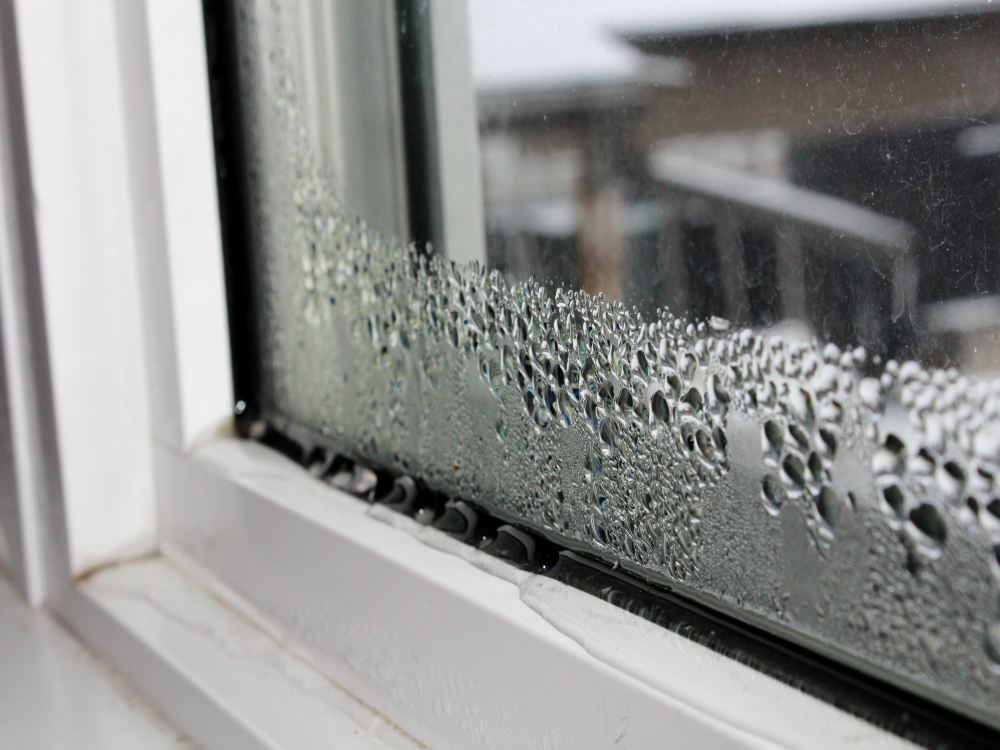
You’ve tried to wipe down a foggy window, then you head outside to clean the other side, and somehow the fog is still there. Yeah, it’s annoying, if anything. But if you can’t get rid of that cloudiness from either side of the glass, it’s actually trapped between the panes. And we know that’s a frustrating window problem to have on your hands.
The truth is, that lingering haze may be one of the first signs of window seal failure. Even if it seems to clear up as the temperature changes, the moisture can just as easily return. Luckily, we’re going to help you find out how that moisture got there and what it’ll take to give you a clear window again. Let’s get into it.
What Is a Window Seal and Why Does It Matter?
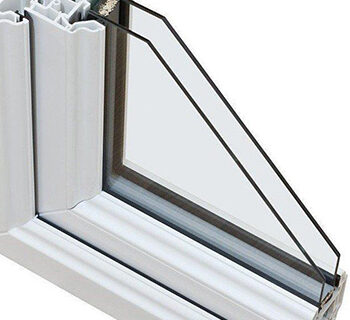
Double-pane windows have a spacer around the edges that keeps the two pieces of glass separated. And there’s a seal surrounding that spacer to close off the space in between, helping keep outside air and moisture from getting inside.
That protected space is what allows the glass to drastically reduce some of the heat that can pass through your windows. But once the seal has an opening, humid air can then find its way between the panes. That’s when double-pane window issues may start showing up as fog, droplets, or a cloudy film you can’t quite reach.
Why Does Condensation Form Between Window Panes?
Air carries water vapor, especially here in Jacksonville, where higher humidity is part of everyday life. If the window seal has failed, some of that humid air can make its way inside the glass unit. The moisture then collects against the cooler glass. Of course, you can always just wipe away moisture on the inside or outside surface, but that trapped condensation between the panes makes it virtually impossible to get rid of. And while the amount you see can dissipate when the temperature changes, that doesn’t necessarily mean the seal somehow closed back up.
Common Causes of Window Seal Failure
Window glass heats up during the day and cools back down once the temperature drops. As that happens, the glass and sealing materials expand and contract. Years of that movement can gradually weaken the seal.
But just to be clear, the age of your windows isn’t the only reason we see failed window seals. A glass unit that wasn’t fitted properly may have too much pressure around the edges. Damage near the perimeter or a problem from the manufacturing process can also shorten the seal’s life. In some cases, several of these conditions may have had their effect on the same window over time.
Signs Your Window Seal Has Failed
Depending on the weather, the first sign of a failed window seal may come and go before it turns into a constant haze. If you’re concerned about some foggy windows around your home, here are some clues that the moisture may be sitting inside the glass:
- Fog That Won’t Wipe Away – You’ve cleaned both exposed surfaces, but the cloudiness is still clearly visible.
- Droplets Between the Panes – Small beads or streaks of water appear inside a space you can’t touch.
- Recurring Haze – The glass looks clearer during certain parts of the day, then clouds over once the temperature changes.
- A Lasting Cloudy Film – Moisture inside the unit can eventually leave deposits that discolor the glass and interfere with your view.
Can a Failed Window Seal Be Repaired?
Once an insulated glass unit has lost its seal, simply clearing away the visible moisture won’t recreate its original sealed construction. That’s why the first step is finding out whether the fog is actually between the panes and whether the affected glass unit needs to be replaced.
Professional insulated glass repair may involve replacing that sealed unit with new glass made to fit the existing opening. So, you may not need an entirely new window. A glass specialist can inspect the problem, take accurate measurements, and explain what will restore the clear view you had before.
How to Prevent Premature Window Seal Failure
You can’t prevent every seal from eventually wearing out, but you can avoid putting some unnecessary stress on the glass. Keep the drainage openings around your windows clear, and don’t ignore damaged glazing materials or chips near the pane’s edge. Those areas help protect the glass and keep water from collecting where it shouldn’t.
It’s also a good idea to have recurring window moisture problems inspected rather than repeatedly wiping away the visible condensation. Finding damage on the edge or a deteriorating seal earlier can help you address the fogged glass before the problem gets worse.
Clear Up Those Foggy Windows With Our Team at Baker Glass
You shouldn’t have to keep cleaning the same window when the moisture is sitting somewhere your cloth can’t reach. Our experienced team here at Baker Glass can inspect your window glass, identify why the cloudiness keeps returning, and replace the affected unit when necessary.
We’ve provided glass services throughout Jacksonville, FL, and the surrounding area since 1993. And because we replace the failed glass rather than automatically replacing the complete window, we can focus our glass condensation solutions on the part that’s actually causing the problem.
Discover the crystal-clear solution to foggy windows. Get in touch with us today for your free fogged-glass replacement estimate.

Things to Consider When Planning Your Next Round of Improvements.
Are you looking to make some much-needed updates to your home…
Even the Best Insulated Windows Can Fail, Leading to Fogged Glass
Fogged windows detract from the beauty of your home and make…